
How to Be Kind? It Starts Here
“Acts of kindness can release hormones that contribute to your mood and overall wellbeing. The practice is so effective it’s being formally incorporated into some types of psychotherapy.”
–Cedars Sinai Hospital
You know, I’ve been thinking a lot about kindness lately — not the fluffy greeting‑card version, but the real, everyday kind that actually changes the lives of others.
According to the dictionary, kindness is “a sympathetic and helpful nature,” which just sounds so tidy and straightforward. Almost too simple, right?
But when you sit with it for a minute, you realize how much is packed into that tiny definition. Sympathy. Helpfulness. A willingness to step outside yourself long enough to make someone else’s day – or even their life – a little better.
But you need to know how to be kind and make it part of yourself. If it’s so simple, why then is it so hard to regularly show kindness to others? Or why does it seem to be missing in our attitude at times? Sometimes we just exist so much inside of ourselves, when we need to be more aware of the needs of others.
I believe the essence of ‘how to be kind’ is love. Everyone needs love. Most people need more love than they get. But we can’t really love others well unless we love ourselves…. and that, also, is not so easy.
Being kind to myself can sometimes feel like trying to hug a cactus. I know I should, but something in me resists. It’s probably a feeling of guilt or unworthiness that follows me around like a little dark cloud. But God forgives me, so I need to forgive myself.
Here are a few points about kindness:
- Most people in the world are capable of kindness.
- Loving ourselves makes it easier to show love and kindness to others.
- Kindness will reflect back on the giver.
- Receiving and giving kindness is good for our mental and emotional health.
- Being kind does not cost you a penny, but it makes a big difference.
Wise Words
“Kind words do not cost much.
Yet they accomplish much.”
–Blaise Pascal
How to Be Kind by Making it a Habit
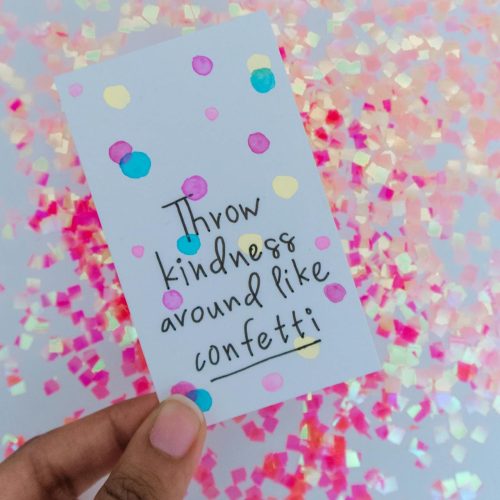
When you think about these points, it almost seems strange that kindness isn’t the default setting for all of us. If kindness benefits the giver and the receiver, shouldn’t we all be walking around sprinkling compassion like confetti? Shouldn’t it be automatic to treat others – and ourselves – with gentleness?
But life isn’t that tidy. We get busy. We get stressed. We berate ourselves. We get wrapped up in our own worries and forget that kindness is even an option. Sometimes we even convince ourselves that kindness is weakness, or that we don’t have time for it, or that people will take advantage of us if we’re too soft. And sometimes, honestly, we just forget to slow down long enough to notice where kindness is needed.
I’ve been checking out what kindness really is — not just the definition, but the heart and soul behind it. For example, kindness shapes our relationships, and it quietly transforms us from the inside out. That is, if we make it a habit. But it’s possible.
Then kindness will become a value. A mindset. A way of moving through the world with intention.
Once you start learning and thinking about kindness and it begins to warm your heart, you will think of all kinds of simple ways to add kindness into your days.
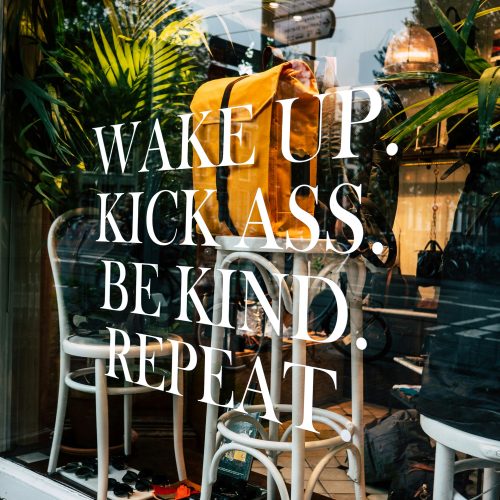
Take a step. Practice one act of kindness today. Tomorrow look for another way to show kindness. Write down all the ways you can show kindness in your daily life. In the morning make ‘being kind’ a goal for the day. And just keep repeating. All the good feelings you get will give you momentum.
How to Be Kind – Basic Steps to Get Started
These are kind of common sense, but it may help you to see them listed for reference.
- Practice basic courtesy
- Smile
- Remember to get outside of yourself even for short periods of time
- Be aware of people and ways to help, if needed
- Look people in the eye and listen well
- Be grateful for the blessings you have. Start a gratitude journal if that helps
- Love yourself. Forgive yourself and others. (I know it’s not always easy)
- Don’t judge others. We are all vulnerable to falling into bad deeds
- Start at home. Show extra kindness to family members and pets
What if we forget How to Be Kind?
Most of us were probably taught to be kind at home or kindergarten or Sunday school.
As adults we need to think about why kindness actually matters — not in a vague, inspirational‑poster way, but in a real, practical sense.
You’ve probably noticed that the world often tells us to focus on ourselves first. Chase your goals. Build your brand. Get ahead. Win. There’s this unspoken message that life is a competition and the people around us are obstacles or opponents. Some folks take that message and run with it. They treat life like a high‑stakes sport where the only thing that matters is crossing the finish line first, no matter who gets elbowed along the way.
And sure, that kind of relentless drive might get you somewhere impressive. You might climb the ladder faster. You might collect more achievements. But at what cost? What happens when you finally reach the top and realize you don’t like the person you became on the way up?
That’s when you may look in the mirror and have some regrets. We all have regrets in the kindness department if we are honest. I am not saying we are as bad as Ebenezer Scrooge, but remember how he changed his ways and became a kind and generous guy? That part of the story warms our hearts, and we can emulate Ebenezer’s kindness.
We can be kind even as we strive for success. I think success actually works better that way.
Kindness only matters if we want a better world with less pain and sadness. Kindness matters if we want to inspire our children to give help to others. Kindness matters if we want to love ourselves and give ourselves a positive outlook on all the details of life. When we know how to be kind we will have a superpower.
When we choose kindness, we’re choosing empathy. We’re choosing awareness. We’re choosing to stay connected to the world around us instead of bulldozing through it.
How to Be Kind and Start a Chain Reaction
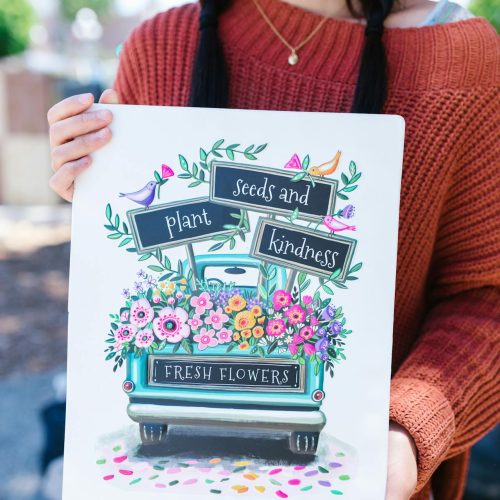
Many are the ways that kindness makes a difference. Kind people notice things. They notice when someone is struggling. They notice when a small gesture could make a big difference.
And they don’t just notice — they act. They step in. They offer a hand, a word, a moment of comfort. They understand that life is unpredictable and that any one of us could be the person in need at any time. You’ve heard the saying, “There but for the grace of God, go I.” Kindness is what happens when that thought becomes a way of living.
Think about the last time someone surprised you with kindness — maybe a stranger held a door when your hands were full, or a friend texted you out of the blue just to check in, or someone forgave you for something you were beating yourself up over.
Those moments stick with us. They soften us. They remind us that the world isn’t as harsh as it sometimes feels.
Kindness changes the atmosphere like a soft scented breeze. It shifts the energy. It makes people feel seen, valued, and safe. And when people feel safe, they show up as their best selves. They pass that feeling on. They create more kindness in return. Yes, kindness counts and multiplies.
It’s a chain reaction — one that starts with something as small as that gentle word or thoughtful gesture.
Wise Words
Love is patient and kind;
love does not envy or boast;
it is not arrogant or rude.
–1 Corinthians 13:4-7
How to Be Kind to Yourself
And here’s the part we often forget: kindness isn’t just outward‑facing. Again, kindness is not only about how we treat others. It’s also about how we treat ourselves.
Think about this: if we’re constantly criticizing ourselves, pushing ourselves past our limits, or denying ourselves rest, compassion, or forgiveness, then we’re living in a cloud of unkindness. And that internal state of gloom spills outward. It affects how we speak, how we react, how we interpret the world.
Just touching the surface, think of a few ways you can start to be kind to yourself: give yourself some extra rest, trim your calendar, give yourself a beauty treatment, read uplifting books, learn something new, start a new hobby, forgive yourself and start anew. Give yourself a new spiritual morning routine, give yourself a faith makeover.
I also think that being kind to yourself results from being kind to others. If you simply start a kindness habit, sprinkling acts of kindness through your day and week, you will likely soften your attitude toward yourself as well.
Science Supports the Healing Power of Kind Acts
From psychiatry.org:
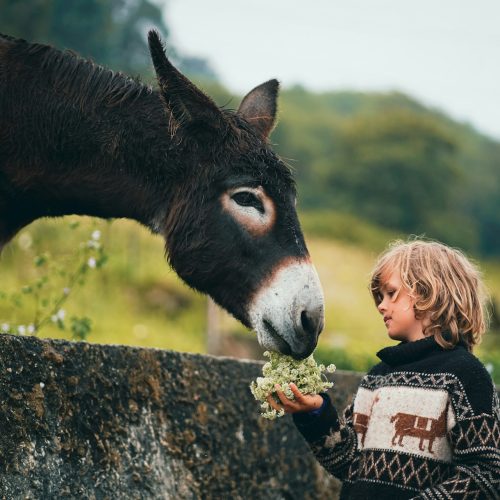
“In the study from researchers at the University of Ohio, people with elevated symptoms of depression or anxiety were randomly assigned to engage in acts of kindness, join in social activities, or participate in a brief intervention based on cognitive behavioral therapy (specifically cognitive reappraisal).
All three interventions were found to reduce symptoms, lessen distress and improve life satisfaction. The acts of kindness, however, showed greater benefits for social connection than either of the other two interventions.”
“Everyday simple acts of kindness can contribute to boosting your mood, reducing stress, and possibly alleviating symptoms of depression or anxiety. In addition, what might seem like a small kind gesture could have a greater impact than you might think.”
Link to full article:
The Mental Health Benefits of Simple Acts of Kindness
Cedars Sinai is a hospital in Los Angeles. The Cedars Sinai staff wrote this on their website:
“The warm feeling of wellbeing that washes over you when you’ve done something kind isn’t just in your head.
It’s in your brain chemicals, too.
Acts of kindness can release hormones that contribute to your mood and overall wellbeing. The practice is so effective it’s being formally incorporated into some types of psychotherapy.
“We all seek a path to happiness,” says Dr. Waguih William IsHak, a professor of psychiatry at Cedars-Sinai. “Practicing kindness toward others is one we know works.” ”
Here’s a link to the full article:
How to Be Kind and Transform Your World – Every Day
When we learn how to be kind to ourselves — and others — everything else becomes easier. Our patience grows. Our empathy expands. Our hearts are warmer. When we determine to make kindness a habit, soon kindness isn’t something we have to force. It becomes natural.
Learning how to be kind matters. It matters more than we realize. It shapes our relationships, our communities, and our own inner landscape. Remember, our world exists inside as well as outside. Kindness is not a luxury or an afterthought. It’s a foundation.
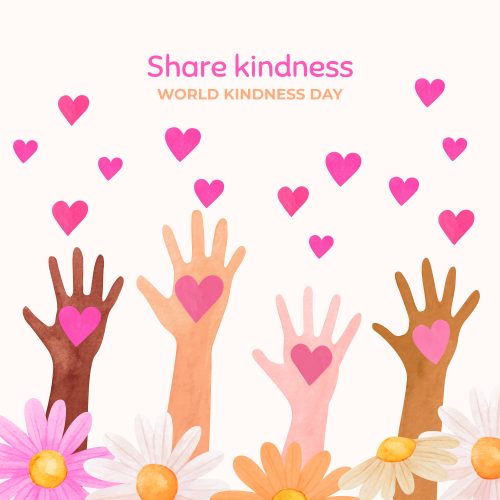
By the way, World Kindness Day is November 13 each year. But the beautiful thing is: we have a kinder world at our fingertips every single day.